
Overview
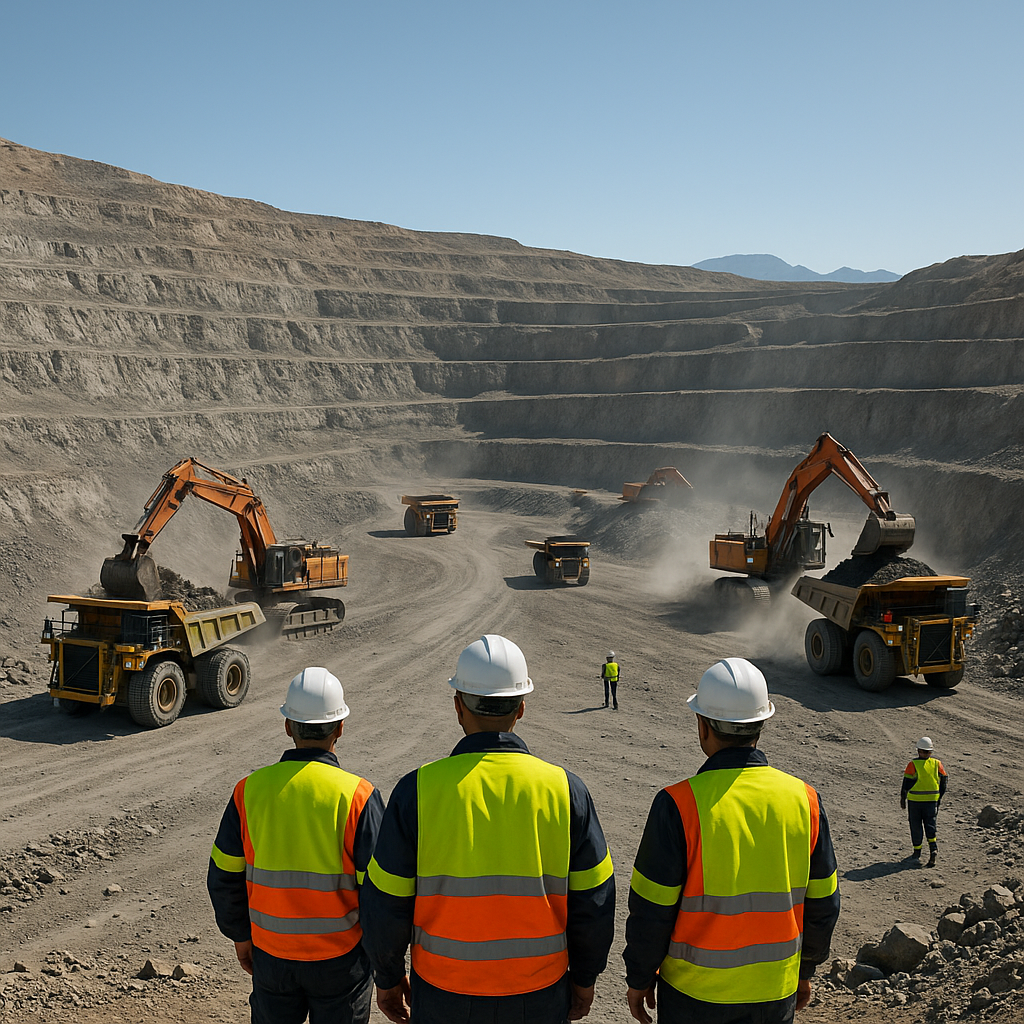
Oil, gas and mining roles abroad cover onshore and offshore production, exploration, construction, maintenance and processing. Typical employers include international energy firms, mining companies, EPC contractors and specialist service providers. Jobs range from entry-level trade roles to senior technical and management positions; many require hazardous-environment training and industry-specific qualifications.
Typical roles and approximate pay
- Drilling crew, roustabout, roughneck — entry to mid level; offshore day rates vary widely, roughly USD 200–900/day typical depending on role and location.
- Heavy plant operator, truck driver, fitter/welder — common in mining; annual pay typically USD 30,000–80,000 depending on country and experience.
- Petroleum/mining engineer, geologist — mid to senior technical roles; typical annual pay USD 60,000–150,000 depending on region and seniority.
- HSE (Health, Safety & Environment) officer, safety supervisor — mid level; often USD 40,000–120,000.
- Site/project manager, production manager — senior roles; compensation often USD 80,000–200,000 or higher in high-cost countries and for extensive experience.
All ranges are approximate and depend on country, company size, onshore vs offshore, shift patterns, allowances, taxes and local cost of living.
Common qualifications and certifications
- Relevant degree or apprenticeship (mining engineering, petroleum engineering, geology, mechanical/electrical trades).
- Safety and competency certificates: NEBOSH, IOSH, BOSIET/HUET for offshore, IWCF for well control, or other recognised industry courses.
- Trade tickets and licenses for heavy equipment and welding; medical fitness certificates and drug testing are often required.
- Language ability: English is commonly required; host-country language can be necessary or preferred.
How employer sponsorship works (general)
Under many countries' immigration systems an employer can apply to hire a foreign worker by demonstrating there is a need that cannot be met locally. Processes differ by country: some require the employer to be approved as a sponsor or to obtain a labour market assessment. Always verify sponsorship capability and visa steps directly with the employer and with the official immigration authority for the destination country.
Country notes and official sources
- United Kingdom — many work visas require a licensed sponsor. Check the UK Home Office register of licensed sponsors to confirm whether a prospective employer can sponsor workers: UK Home Office sponsor register. Read UK work visa options and requirements at: UK visas.
- Canada — employers may need a positive Labour Market Impact Assessment (LMIA) to hire a foreign worker; check Employment and Social Development Canada details: Canada LMIA. See federal immigration rules at Immigration, Refugees and Citizenship Canada: Canada IRCC.
- Australia — employer-sponsored visas and skilled migration routes have specific employer and worker requirements; consult Department of Home Affairs for visas and sponsorship obligations: Australia Home Affairs. For regulated professions, check relevant Australian authorities for recognition of qualifications.
- Germany — skilled-worker and EU Blue Card routes are described on the federal site for attracting skilled workers: Make it in Germany.
- Poland — work permit rules and employer responsibilities are published by the Polish government: gov.pl.
- European mobility — EURES provides job listings and advice across EU/EEA countries: EURES.
Practical steps to prepare
- Verify the employer's ability to sponsor or hire internationally. Request written confirmation of the visa route, permit type, and whether any recruitment or labour-market testing is required.
- Gather certified qualification documents, professional registrations, licences and references; expect background checks and pre-employment medicals.
- Hold up-to-date safety and industry certifications relevant to the role and region (for example BOSIET for many offshore jobs).
- Review contracts carefully: pay, allowances (shift, remote site, accommodation), working hours, repatriation clauses, probation, termination and local tax obligations.
- Confirm timeframes and who will pay for visa fees, medicals and relocation; retain correspondence for the visa application process.
Safety, unions and local conditions
Safety standards, union representation and local working conditions vary widely. Research company safety records, read local regulatory guidance and, where available, consult industry unions or professional bodies in the destination country. Do not rely solely on recruiter claims; verify with official immigration and labour authorities and the employer's published documentation.
Current oil gas & mining jobs on this site
New oil gas & mining jobs are posted here regularly. Browse all oil gas & mining jobs.
Related guides
- Jobs in Poland with Visa Sponsorship for Foreigners (2026)
- Jobs in Germany with Visa Sponsorship for Foreigners (2026)
- Jobs in Australia with Visa Sponsorship for Foreigners (2026)
- Jobs in Canada with Visa Sponsorship for Foreigners (2026)
- Teaching Jobs with Visa Sponsorship: Complete 2026 Guide
- Tech & IT Jobs with Visa Sponsorship: Complete 2026 Guide
- Engineering Jobs with Visa Sponsorship: Complete 2026 Guide
- Nursing & Healthcare Jobs with Visa Sponsorship: Complete 2026 Guide