
Overview
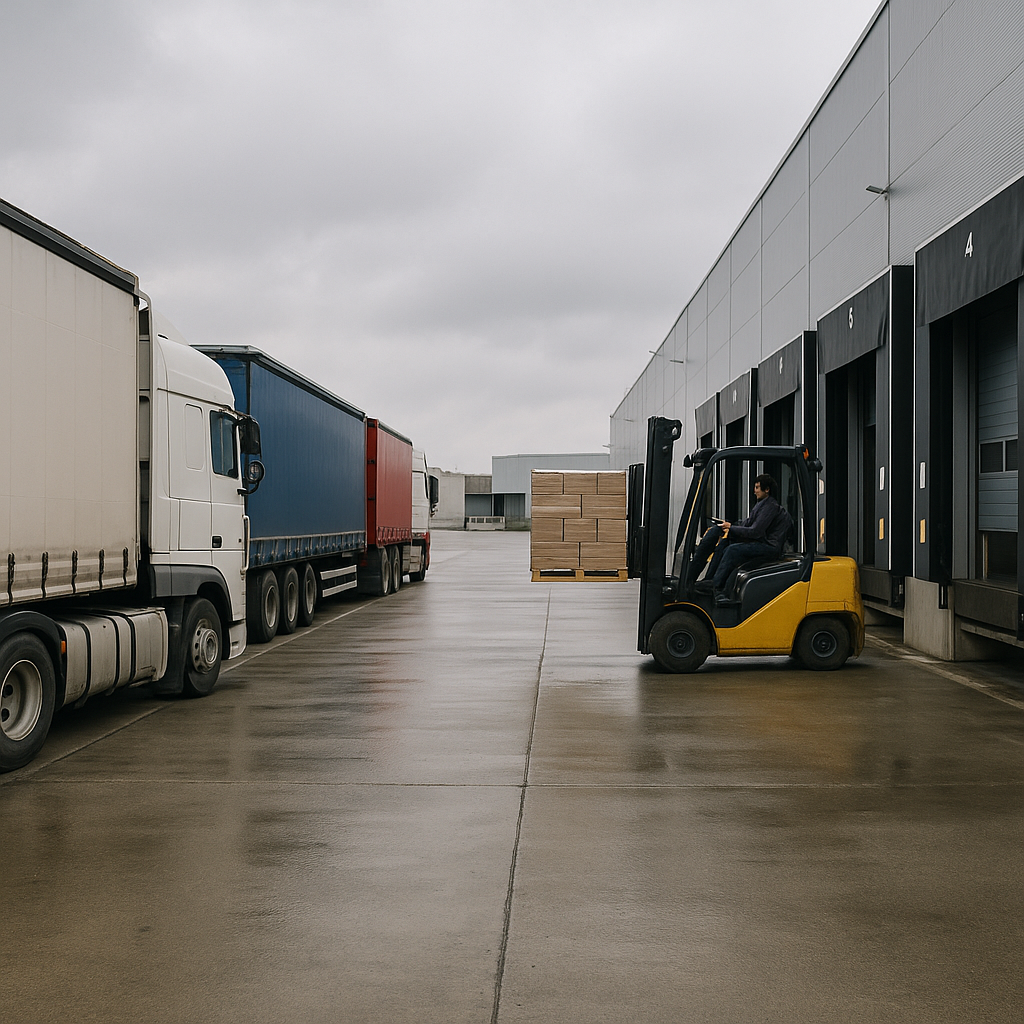
Driving and logistics roles abroad cover long-haul truck drivers, local delivery drivers, bus and coach drivers, forklift operators and warehouse staff, couriers, and transport planners. Employers in many countries recruit non‑nationals for these roles when local labour supply is insufficient, but hiring often depends on specific licences, qualifications and immigration rules. Check employer statements and official government guidance before applying.
Typical pay and contract types (approximate)
- United Kingdom: heavy goods vehicle (HGV) drivers typically earn around £28,000–£40,000 gross a year, depending on shift patterns and overtime. Urban delivery drivers and courier roles may be lower or paid hourly.
- Canada: truck drivers and long‑haul roles commonly fall in roughly CAD 40,000–80,000 a year; regional and urban delivery jobs can be lower.
- Australia: experienced heavy‑vehicle drivers often see A$60,000–100,000 annually, though casual and regional roles vary.
- Germany and EU: truck and logistics roles typically range €30,000–45,000 gross, varying with sector, region and overtime.
These figures are typical ranges, not guarantees. Pay depends on employer, hours, allowances (night, mileage), and local tax and social security rules.
Key qualifications and checks
- Driving licences: the correct national category is essential (for example HGV categories C, C+E or D in many European systems; specific class codes in Canada and Australia). International licences and endorsements may be accepted temporarily, but permanent employment usually requires a national licence category.
- Professional certificates: Driver CPC (or national equivalent) for commercial drivers in the UK/EU; ADR for dangerous goods; tachograph card for EU road operators; forklift licences for warehouse work; heavy‑vehicle skill assessments in Australia. Verify exact national requirements with licensing agencies and employers.
- Medical and background checks: fitness to drive checks, eyesight standards, criminal record checks and driving record clean‑ups are commonly required.
- Language: basic local‑language skills are often necessary for safety and routing; some countries include minimum language requirements in visa applications.
How sponsored work typically works
Work visas that allow employment usually require either a government‑approved employer process or a labour market test. Typical steps include an employer offering work that meets the visa criteria, demonstration that the job meets required skill or pay thresholds, and the employer either obtaining permission or completing a labour market assessment. The worker applies for the visa with supporting documents (contract, licences, medicals, criminal record checks). Verify every step with the employer and the official immigration authority for the country concerned.
Where to check official rules and job listings
- United Kingdom: check the register of licensed sponsors for employers who may issue certificates and the Home Office guidance on work visas: UK Home Office sponsor register and UK visas.
- Canada: general immigration and work permit details at IRCC; employer labour market processes and LMIAs at Canada LMIA.
- Australia: visa and employer sponsorship rules at Australia Home Affairs; professional recognition information (where applicable) at AITSL.
- Germany: job and migration pathways information at Make it in Germany.
- Poland: work and business guidance at the government portal: gov.pl.
- European jobs portal: cross‑border vacancies and advice at EURES.
Practical steps before applying
- Confirm the precise licence and certificate requirements for the country and the employer.
- Ask the employer whether a government labour test or sponsorship process will be used and request written details about payments, hours and housing if provided.
- Check visa costs, processing times and health screening rules on the official immigration site for the country.
- Keep certified translations of licences and certificates; obtain international driving permits if advised for short stays.
All immigration and employment processes change; always verify current rules with the employer and the official government websites listed above before accepting offers or making travel plans.
Current driver & logistics jobs on this site
New driver & logistics jobs are posted here regularly. Browse all driver & logistics jobs.
Related guides
- Jobs in Poland with Visa Sponsorship for Foreigners (2026)
- Jobs in Germany with Visa Sponsorship for Foreigners (2026)
- Jobs in Australia with Visa Sponsorship for Foreigners (2026)
- Jobs in Canada with Visa Sponsorship for Foreigners (2026)
- Oil Gas & Mining Jobs with Visa Sponsorship: Complete 2026 Guide
- Teaching Jobs with Visa Sponsorship: Complete 2026 Guide
- Tech & IT Jobs with Visa Sponsorship: Complete 2026 Guide
- Engineering Jobs with Visa Sponsorship: Complete 2026 Guide