
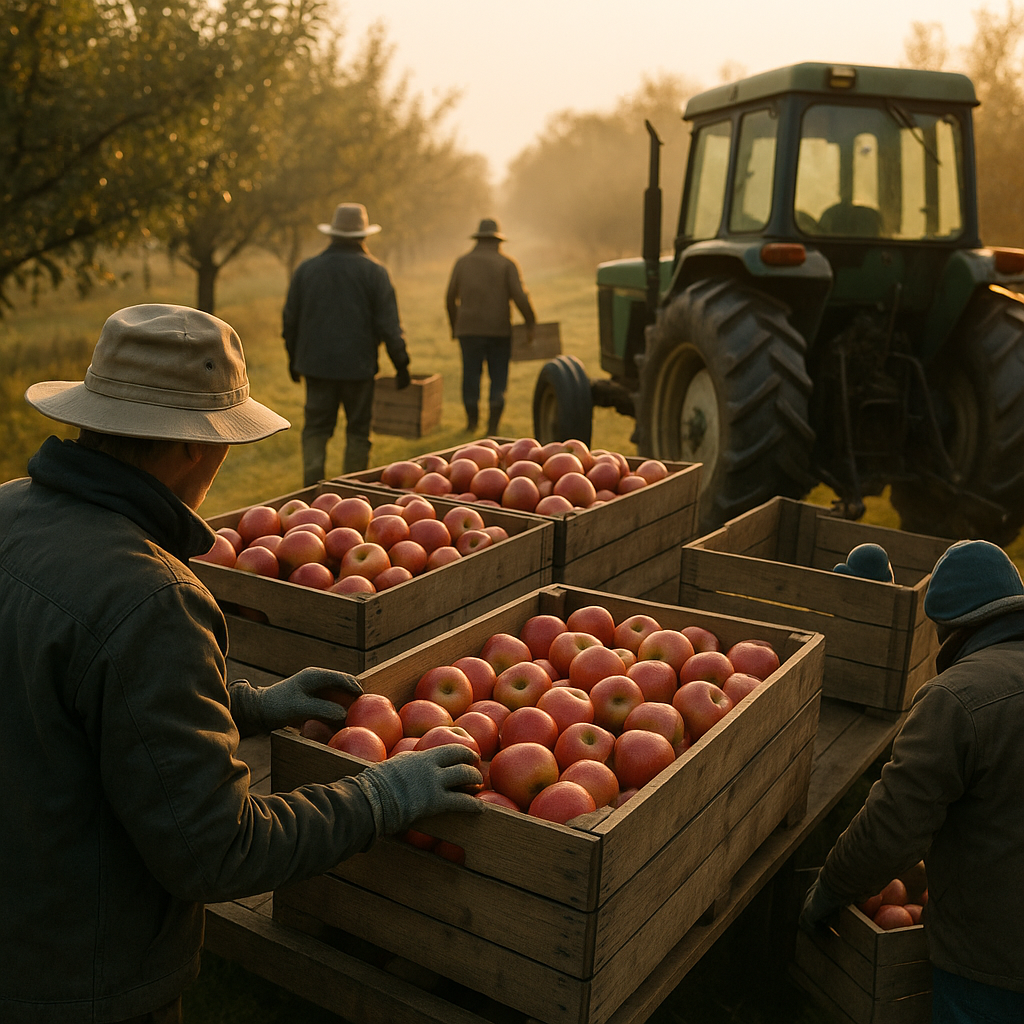
Overview: farm and agricultural work abroad
Farm and agricultural jobs cover seasonal fruit and vegetable picking, livestock care, machinery operation, greenhouse work, horticulture, agronomy and farm management. Roles range from unskilled seasonal labour to qualified technical and managerial posts. Visa sponsorship arrangements and pay vary widely by country, employer and the nature of the contract; always verify specifics with the employer and official government sources.
Common roles and typical pay (approximate)
- Seasonal picker/field worker — typically paid at or slightly above local minimum wage; approximate ranges (typical): low-cost markets to mid-range Western Europe and Australia. Pay is often hourly, daily or piecework.
- Livestock attendant and dairy farm worker — similar to field workers but may require livestock handling experience; some employers pay a premium for night or milking shifts.
- Tractor/machinery operator — often requires local licensing or certification; typically paid above unskilled rates.
- Horticultural technician/agronomist — usually a skilled role; pay reflects qualifications and experience.
- Farm manager — higher pay and responsibility; often requires proven management experience and may be eligible for skilled-worker visa routes in some countries.
Visa and sponsorship basics
“Sponsorship” means an employer supports a visa application under the host country’s immigration rules. Whether an employer can sponsor depends on the country, the visa category and the employer’s status. Always confirm the visa route and sponsorship terms with the employer and use official government guidance to check eligibility and documentation requirements.
Country-specific entry points and official guidance
- United Kingdom — Check the available work visa types on the official jobs and immigration pages: UK visas. Employers who can sponsor workers are listed in the Home Office register of licensed sponsors: Register of licensed sponsors. Seasonal Worker and Skilled Worker routes have different rules and evidence requirements.
- Canada — The Temporary Foreign Worker Program and other routes are managed by Immigration, Refugees and Citizenship Canada: IRCC. Many agricultural hires require a Labour Market Impact Assessment (LMIA) or specific program participation; see guidance for employers and workers: Canada LMIA and foreign worker services.
- Australia — Working visa types and requirements are on the Department of Home Affairs site, including skilled and temporary programs: Australia Home Affairs. For some skilled agricultural teaching or training roles, see recognition advice: AITSL migrate to Australia.
- Germany and EU — Skilled positions may be possible under EU or national skilled worker routes; general information for migrants is at Make it in Germany: Make it in Germany. For mobility and job listings across Europe, use the EURES portal: EURES.
- Poland and Central/Eastern Europe — Non-EU nationals generally need a work permit or a sponsored visa; official guidance is available at the Polish government site: gov.pl — work and entrepreneurship.
How sponsorship commonly works
- An employer confirms a job offer and, where required, either applies to be an approved sponsor or provides supporting documents for a work permit or LMIA-style process.
- The worker submits the visa application with the employer’s documentation, pays any fees and meets health and character checks.
- Terms such as start date, duration, accommodation, hours and pay should be written into the contract. Sponsorship rules determine change-of-employer rights and length of stay.
Checklist before accepting an offer
- Confirm the exact visa route and whether the employer will provide the specific documentation required.
- Check the employer’s sponsor/licence status where applicable (for example, the UK sponsor register link above) and request contract details in writing.
- Compare offered pay to local minimum wage and common sector rates; ask how overtime, piecework and deductions are handled.
- Clarify accommodation, transport to work, working hours, safety training (pesticide handling, machinery), and insurance or healthcare access.
- Verify tax registration and pay slip arrangements; understand how to report unsafe or unlawful practices to local labour authorities.
Where to find jobs
- National and regional job boards, farm co‑operatives, seasonal work agencies and industry trade organisations.
- Government mobility portals such as EURES for EU moves and the official immigration pages listed above for country-specific programs.
- Worker networks, unions and accredited recruitment agencies — confirm any agency’s credentials and payment terms before accepting offers.
Visas, sponsorship rules and minimum wages change over time. Always verify eligibility, current rates and procedural details with the official government sources linked above and directly with the employer before making travel or employment commitments.
Current farm & agriculture jobs on this site
New farm & agriculture jobs are posted here regularly. Browse all farm & agriculture jobs.
Related guides
- Jobs in Poland with Visa Sponsorship for Foreigners (2026)
- Jobs in Germany with Visa Sponsorship for Foreigners (2026)
- Jobs in Australia with Visa Sponsorship for Foreigners (2026)
- Jobs in Canada with Visa Sponsorship for Foreigners (2026)
- Oil Gas & Mining Jobs with Visa Sponsorship: Complete 2026 Guide
- Teaching Jobs with Visa Sponsorship: Complete 2026 Guide
- Tech & IT Jobs with Visa Sponsorship: Complete 2026 Guide
- Engineering Jobs with Visa Sponsorship: Complete 2026 Guide