
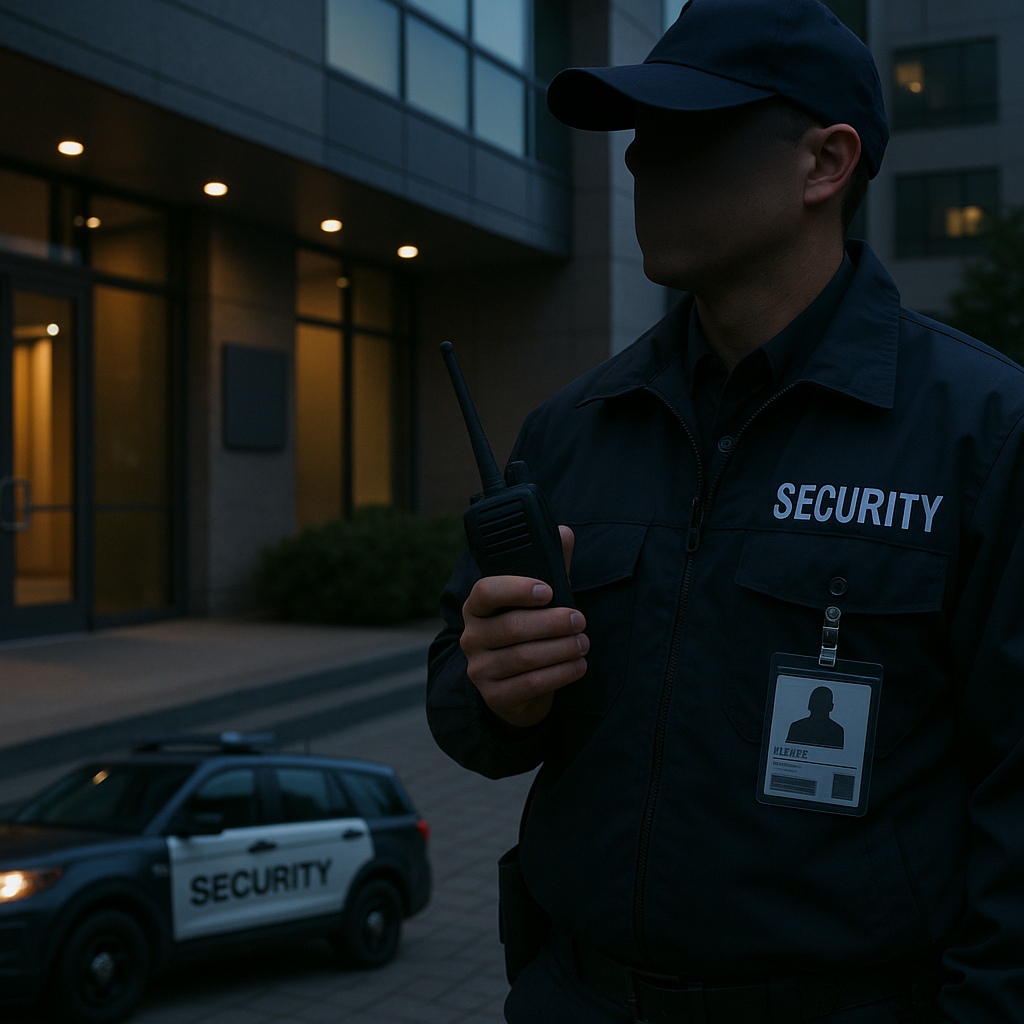
Overview: what “security jobs with visa sponsorship” means
Security work abroad covers roles such as manned guarding, mobile patrol, CCTV/operator monitoring, event and venue security, close protection (bodyguarding) and supervisory or management positions. Visa sponsorship means an employer or official process gives a non‑citizen permission to work in a country. Sponsorship arrangements and immigration rules vary by country; always verify with the employer and official government sources before accepting an offer.
Typical roles and what employers usually want
- Manned guard / static guard: patrol, access control, basic incident reporting. Typical entry route for people with limited specialist training.
- Door supervisor / event security: crowd management, conflict de‑escalation, search and entry control.
- CCTV operator / control room: video monitoring, incident logging, liaising with police.
- Mobile patrol / alarm response: driving between sites, vehicle checks, written reports.
- Close protection: personal security for individuals; usually requires advanced training, medical checks and local legal permissions.
- Supervisory/management: site managers, operations coordinators, scheduling and client liaison.
Typical pay (approximate ranges)
Pay varies by country, employer, shift pattern and level of responsibility. These are approximate ranges to give a sense of scale, not guarantees.
- United Kingdom: entry guard roles typically around £10–15 per hour; supervisors and specialist roles £12–22/hr; close protection and senior managers higher, often paid daily rates or salaries above £30,000/year.
- Canada: general security guards often CA$15–25/hour; supervisors CA$20–35/hr; close protection and specialized technical roles higher.
- Australia: typical guard roles AUD20–35/hour; supervisory and specialist roles higher, depending on state licensing and overtime.
- Germany: civilian security roles often €10–16/hour; supervisory roles and specialist security higher depending on experience and language skills.
- Poland: typical hourly rates for guards often around 20–40 PLN/hour, with regional variation and higher pay for specialist work.
Common legal and licence requirements
- Many countries require a local security licence or registration before performing security duties; these are issued at national or state/provincial level and often require background checks and training.
- Close protection frequently needs extra permits, weapons licensing (where applicable) and advanced training; this complicates cross‑border moves.
- Employers must check right to work; migrants should check visa conditions before beginning work. For the UK, use the Home Office sponsor register to confirm licensed employers: UK Home Office sponsor register and general UK work visas info at UK visas.
- For Canada, check Immigration, Refugees and Citizenship Canada for visa pathways: Canada IRCC. Many employers will need a Labour Market Impact Assessment (LMIA) to hire a foreign worker; see details at Canada LMIA.
- For Australia, visa rules and working in Australia guidance are at Australia Home Affairs. For information about registered professions and migration pathways, including recognition of qualifications, see AITSL.
- Germany publishes guidance for international workers at Make it in Germany. For Poland, government guidance is at gov.pl – Praca i przedsiębiorczość.
- For intra‑EU and cross‑border job matching, use the European Employment Services portal: EURES.
How sponsorship typically works and what to check
Sponsorship can mean an employer is recognised to hire non‑nationals, or that a government issues a work permit after the employer demonstrates a need. Employers do not automatically sponsor every applicant. Verify any sponsorship claim with the employer and the official immigration website for that country. Key checks before accepting an offer:
- Confirm the employer’s legal ability to sponsor (for example, a UK sponsor appears on the Home Office register).
- Ask which visa route is intended and which costs the employer covers (visa fees, relocation, licence fees).
- Clarify licence requirements and whether the candidate must obtain a local security licence before starting work or can do so after arrival.
- Request contract terms in writing, including pay, hours, probation period and termination clauses.
Where to look for roles
- Major international security companies, facilities management groups and event contractors publish roles on their websites.
- Specialist security recruitment agencies, industry job boards and LinkedIn are useful for supervisory and technical roles.
- EURES, national job portals and official immigration pages above are essential for country‑specific vacancies and visa details.
Security work abroad can be straightforward for entry‑level guarding but becomes more complex for specialist or armed roles because of licensing and legal restrictions. Confirm all visa and licensing requirements with the sponsoring employer and the official immigration authority for the destination country before making commitments.
Current security jobs on this site
New security jobs are posted here regularly. Browse all security jobs.
Related guides
- Jobs in Poland with Visa Sponsorship for Foreigners (2026)
- Jobs in Germany with Visa Sponsorship for Foreigners (2026)
- Jobs in Australia with Visa Sponsorship for Foreigners (2026)
- Jobs in Canada with Visa Sponsorship for Foreigners (2026)
- Oil Gas & Mining Jobs with Visa Sponsorship: Complete 2026 Guide
- Teaching Jobs with Visa Sponsorship: Complete 2026 Guide
- Tech & IT Jobs with Visa Sponsorship: Complete 2026 Guide
- Engineering Jobs with Visa Sponsorship: Complete 2026 Guide